



After a long day, your body may still be in action, even when your mind has already switched off. The vagus nerve plays a role in many automatic bodily processes associated with rest, digestion and recovery. Here, you'll discover how it works and which simple exercises and rituals can help you find moments of calm.
What Is the Vagus Nerve?
The vagus nerve, also known as the tenth cranial nerve, is the longest cranial nerve in the body. It extends from the brainstem through the neck and chest into the abdomen, transmitting signals between the brain and various internal organs, including the heart, lungs and digestive tract.
Its name comes from the Latin word vagus, meaning "wandering". The vagus nerve is involved in various sensory, motor and parasympathetic functions.
What Does the Vagus Nerve Do? The Vagus Nerve and the Parasympathetic Nervous System
Our autonomic nervous system controls many processes that happen automatically. The sympathetic and parasympathetic nervous systems are often described as counterparts: the sympathetic nervous system supports activity and alertness, while the parasympathetic nervous system is involved in rest, digestion and recovery.
The vagus nerve is a particularly important part of the parasympathetic nervous system. Among other functions, it helps regulate heart function, breathing and digestion.
In everyday life, between appointments, messages and constant availability, this part of our nervous system often fades into the background. That's why, at Saint Charles, we see regeneration as consciously creating space for yourself.
Why Can Conscious Breathing Help You Relax?
Breathing is one of the few automatic bodily processes we can consciously influence. Many people find slow, gentle breathing with a slightly longer exhale particularly soothing. Slow breathing can influence autonomic regulation and help bring awareness back to your body. There's no need to count your breaths or breathe especially deeply. Simply let your breath flow naturally. If it feels comfortable, allow your exhale to become slightly longer than your inhale.
The Vagus Nerve: Five Exercises and Rituals for More Calm in Everyday Life
- Exhale slowly. Take three relaxed breaths, gently extending each exhale. By the window, at your desk or while standing.
- Hum or sing softly. The vagus nerve also passes through the area of the larynx. Sound can help bring awareness to your breathing and body. Many people find it pleasant and calming.
- Eat mindfully. Enjoying a meal without screens and taking small pauses between bites can create a more conscious transition into a calmer state.
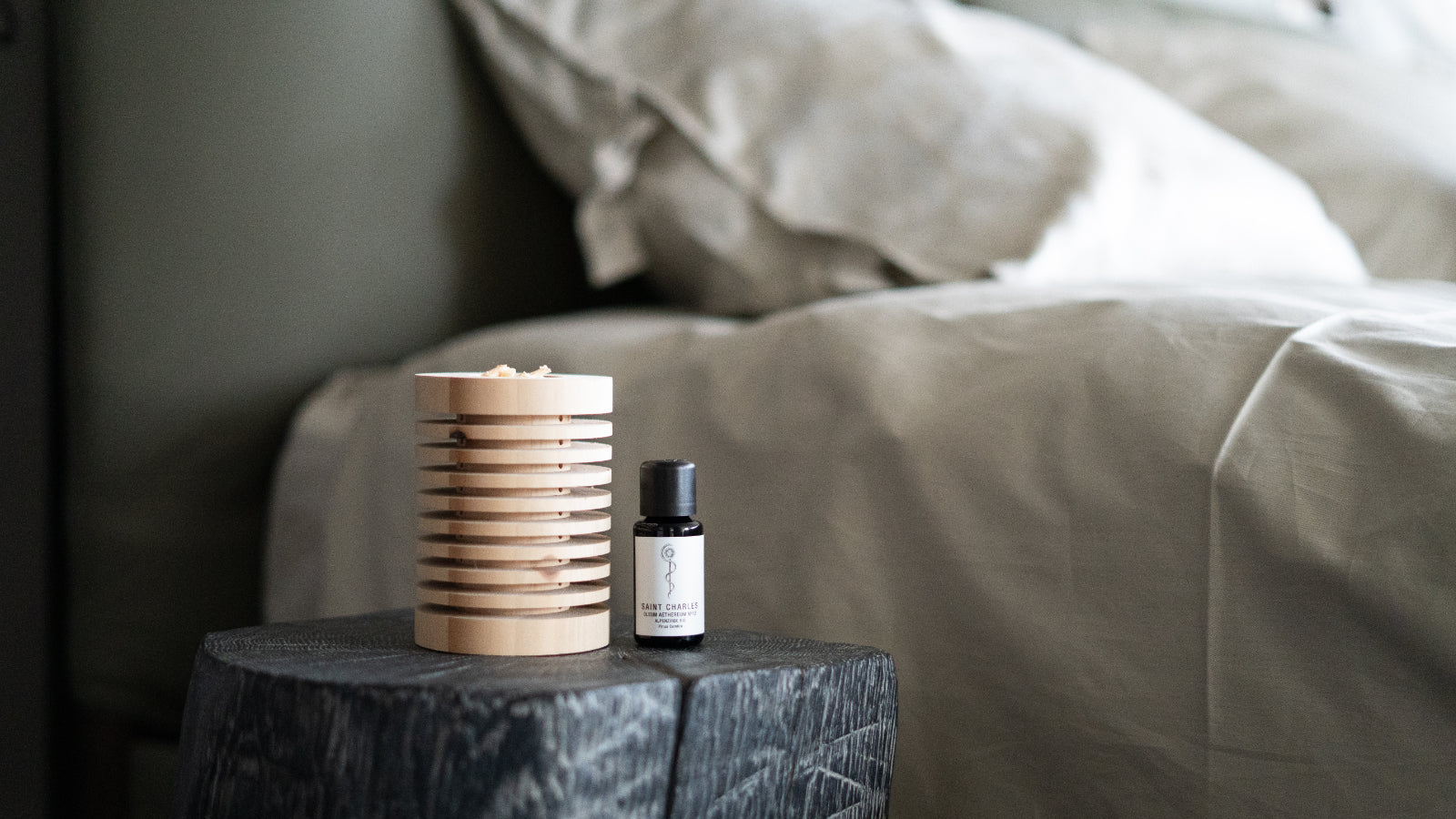
- Spend time in nature. A walk without a particular destination offers an opportunity to step away from screens and the pace of everyday life. Create a personal ritual. A familiar sequence of activities, soft lighting and a comforting scent can mark a conscious transition into rest. Repetition creates a sense of familiarity and makes it easier to pause.
Discover more in our world of Relaxation & Rituals.

